7 Photo Tips That Make Your Menu Sell
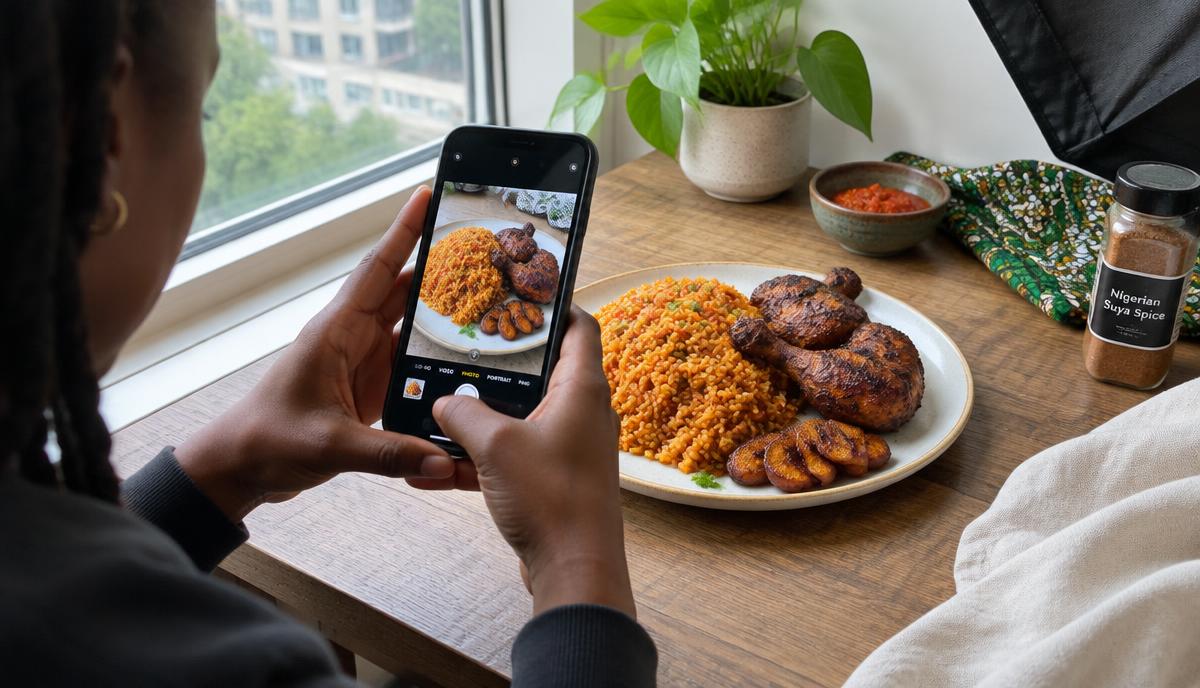
A blurry, dark photo of your jollof rice can cost you customers before they even taste it. These seven phone photography tips will help your menu look as good as it tastes.
Customers eat with their eyes first, and nowhere is that truer than when someone is scrolling through a food app deciding what to order. On ChowConnect and similar platforms, your photo is often the very first impression a hungry student or office worker gets of your cooking, before they read your price, before they see your reviews, before they taste a single spoon. A great photo of your amala and ewedu or your grilled chicken and chips can turn a casual scroller into a paying customer. The good news is you do not need an expensive camera or a professional photographer. Your phone, a bit of natural light, and a few simple habits are enough to make your menu photos look appetising and trustworthy. Here are seven practical photo tips every Nigerian food vendor should use.
1. Use Natural Light, Not Your Kitchen Bulb
The single biggest mistake vendors make is photographing food under a dim yellow bulb in the kitchen. That yellow tint makes even the freshest jollof rice look old and unappetising.
- Take your photos near a window during the day, when sunlight is soft, ideally in the morning or late afternoon rather than harsh midday sun.
- If you must shoot indoors at night, use a bright white light source rather than a warm yellow bulb, or invest in a cheap ring light.
- Avoid direct, harsh sunlight that creates strong shadows across the plate, since soft, indirect light gives the most natural food colours.
- Step outside briefly if your kitchen has no good window, even placing the plate near your doorway can transform the shot.
Good light alone can improve your photos more than any other single change you make, and it costs nothing.
2. Choose a Clean, Simple Background
A cluttered background full of pots, seasoning packets, or a stained table distracts from the food and can make your kitchen look less hygienic than it actually is.
- Use a plain surface such as a wooden board, a clean tablecloth, or even a plain ceramic tile as your backdrop.
- Neutral colours like white, cream, or dark grey make food colours pop without competing for attention.
- Keep the surrounding area free of unrelated items like phones, receipts, or dirty spoons.
- A single relevant prop, such as a folded napkin or a small side of pepper, can add character without overcrowding the frame.
Think of the background as a stage that should support your food, not steal attention from it.
3. Shoot From the Right Angle for Each Dish
Different Nigerian dishes photograph better from different angles, and getting this right makes a noticeable difference in how appetising the final image looks.
- Shoot flat dishes like rice, stew, and pasta from a top down angle, directly above the plate, to show the full spread of colours and portions.
- Shoot taller items like burgers, layered cakes, or stacked meat pies from a slight side angle, around 45 degrees, to show their height and layers.
- For soups served with swallow, a 45 degree angle often works best, capturing both the soup texture and the swallow beside it.
- Take a few shots from different angles for each dish and pick the one that looks most natural, rather than assuming one angle fits everything.
Experimenting with two or three angles per dish only takes a minute but can significantly change how tempting the final photo looks.
4. Show Realistic, Generous Portions
Customers feel cheated when the photo shows a heaping plate but the delivered food looks smaller. This mismatch leads to bad reviews and lost repeat customers, even when your food tastes great.
- Plate the exact portion size you actually serve customers, not an exaggerated show plate.
- Arrange the food neatly so it looks full and appealing without being unrealistic, such as slightly mounding rice rather than spreading it thin.
- Include visible protein, like a clear piece of chicken or fish, since customers want to see what they are paying for.
- Avoid using a plate that is too large for the portion, as this can make even a fair serving look small and stingy.
Honesty in your photos builds long term trust, which matters more for repeat orders than a single dramatic photo that disappoints on delivery.
5. Edit Lightly, Do Not Over Filter
A quick edit can make food look fresh and vivid, but heavy filters can make your jollof rice look artificially orange or your soup look like a strange colour that does not match reality.
- Use simple, free apps like Snapseed or the built in editor on your phone to adjust brightness and contrast slightly.
- Increase brightness a little if the photo looks dark, and boost contrast slightly to make colours look richer without looking fake.
- Avoid heavy colour filters that shift the natural colour of stew, soup, or rice, since this creates a mismatch with the actual food.
- Sharpen the image slightly if your phone photo looks a little soft or blurry, but avoid over sharpening which creates a grainy look.
The goal of editing is to make the photo look like the best, freshest version of your real dish, not a different dish entirely.
6. Keep a Consistent Style Across Your Menu
When customers browse your full menu on ChowConnect, a consistent visual style makes your page look professional and trustworthy, much like a well branded restaurant menu.
- Use the same background or surface for most of your dishes so your menu feels unified.
- Try to shoot at similar times of day so lighting tone stays consistent across photos.
- Keep a similar angle approach for similar dish types, such as always shooting your rice dishes from directly above.
- Avoid mixing very bright, edited photos with dark, unedited ones on the same menu page, since this looks inconsistent and unplanned.
A consistent style signals that you take your business seriously, which reassures customers who have never ordered from you before.
7. Take Fresh Photos Regularly and Upload to Your Menu Page
Old, outdated photos can hurt you if your presentation has improved since you first started, or if a dish has changed slightly. Refreshing your photos keeps your menu page looking current and appealing.
- Reshoot your top selling items every few months, especially once you notice you have gotten better at plating.
- Photograph new menu items as soon as you introduce them, rather than delaying and losing early customer interest.
- Upload photos in good resolution to your ChowConnect menu page, avoiding heavily compressed or blurry images that lose detail on a customer's screen.
- Update seasonal items promptly, such as removing zobo photos in periods when you are not making it, to avoid confusing customers.
- Ask a friend or regular customer for honest feedback on which photos look most appetising before you settle on your final menu images.
Treat your menu photos as a living part of your business, not a one time task you complete and forget.
Common Mistakes to Avoid Along the Way
Even with all the right techniques, a few habits can quietly undo your efforts and leave your menu looking less appealing than it should.
- Do not zoom in digitally on your phone camera to get closer to the food, since this reduces image quality and often makes photos blurry. Move the phone physically closer instead.
- Avoid photographing food long after plating, since sauces separate, garnish wilts, and steam disappears, making the dish look tired rather than fresh.
- Do not shoot every dish from the same distance regardless of size, since a small plate of small chops needs a closer shot than a large tray of jollof rice for a party order.
- Avoid using someone else's stock photos online instead of your own real dishes, since customers on ChowConnect can tell the difference between a generic internet photo and an authentic shot, and mismatched expectations lead to complaints.
- Do not ignore your phone lens cleanliness, since a smudged lens from being in your pocket near flour or oil can leave every photo looking hazy without you realising why.
Avoiding these small mistakes protects the effort you already put into lighting, background, and angles, so your final photo does justice to the meal you worked hard to prepare.
Practising Until It Becomes Second Nature
Like cooking itself, food photography improves with repetition. The first few attempts might feel slow or awkward, especially figuring out the right spot near your window or the best angle for your egusi soup, but this process gets faster the more you do it.
- Set aside a short window each day, perhaps ten to fifteen minutes, specifically for photographing your freshly plated dishes before customers start collecting orders.
- Compare your photos from a few weeks ago with your recent ones, since noticing improvement keeps you motivated to keep refining your setup.
- Keep a small mental or written checklist covering light, background, angle, portion, and editing, and run through it quickly before every shoot.
- Watch how bigger food brands and restaurants present their dishes online for inspiration, then adapt the ideas to suit your own dishes and budget.
Over time, taking a good photo of your amala, your shawarma, or your small chops tray becomes as routine as seasoning your soup correctly, and the results show clearly in how customers respond to your menu.
Turning Better Photos Into More Orders
Good food photography is not about expensive equipment, it is about light, cleanliness, honest portions, and consistency applied patiently over time. A vendor who takes ten extra minutes to shoot their jollof rice near a window with a clean background will often see more clicks and orders than one who snaps a rushed, dark photo in a cluttered kitchen. Your food already tastes good, these tips simply help it look as good on screen as it does on the plate.
Once your photos are ready, upload them to your ChowConnect vendor profile and watch how a well presented menu page draws in more curious customers browsing for their next meal. If you have not yet listed your kitchen on ChowConnect, now is a good time to sign up, add your best shots, and let your food do the talking to hungry students and food lovers across Nigeria.