A Street Food Tour of Nigeria, Region by Region
Nigerian street food is a journey through smoke, spice, and sizzle from the north to the coast. Here is a region by region tour with prices and tips for ordering like a local.
Nigerian street food is where our country's flavours truly come alive. Long before food delivery apps and fancy restaurants, the roadside vendor with a smoking grill or a steaming pot has been feeding students, traders, and office workers with food that is fast, affordable, and unforgettable. Every region has its signature street snack, shaped by local ingredients and history. This tour takes you across Nigeria, from the suya spots of the north to the boli corners of the south west, the abacha stalls of the east, and everything fried, roasted, or wrapped in leaves in between. Along the way, you will find real prices and practical tips for ordering, whether you are buying from a roadside mallam or through a vendor on ChowConnect.
Suya in the North: The King of Nigerian Street Food
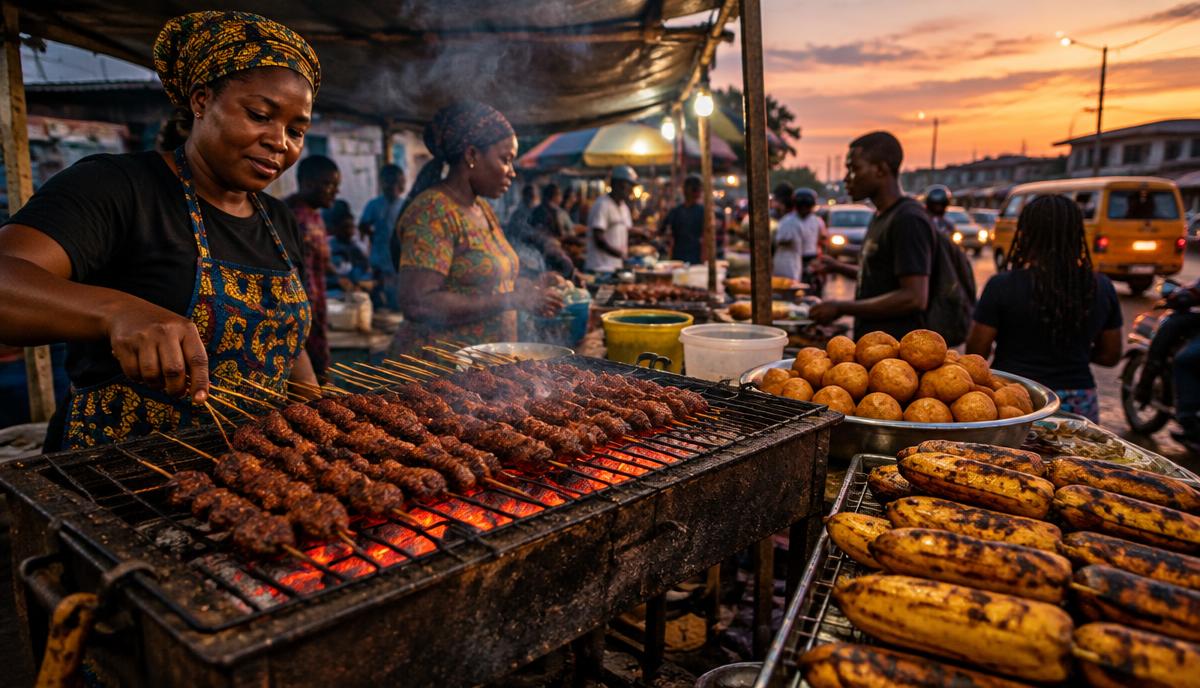
No street food tour of Nigeria starts anywhere else but suya. Born in the northern states among the Hausa people, suya is thinly sliced beef, ram, or chicken, skewered and grilled over open flame, then coated generously in yaji, a spice blend of ground peanuts, ginger, garlic, and chilli pepper. The result is smoky, spicy, and completely addictive.
In cities like Kano, Kaduna, and Zaria, suya spots called mama put or suya joints open in the evening and stay busy till late. A stick of beef suya typically costs between 500 naira and 1,000 naira depending on the city and portion size, while a full plate with extra spice and onions can go for 2,000 naira to 3,500 naira.
When ordering suya, always specify how spicy you want it, since yaji can be intense for those not used to it. Ask for extra onions and tomatoes if you like your suya with some crunch, and if you are ordering for delivery, request that the spice be wrapped separately so the meat does not get soggy on the way.
Kilishi: The Dried Cousin of Suya
Also from the north, kilishi is a dried, spiced meat snack similar to jerky. Thin sheets of beef are coated in a spicy peanut paste, sun dried, then lightly grilled. Unlike suya, kilishi keeps for weeks without refrigeration, making it a favourite for travellers and a popular gift item carried down south.
Kilishi is sold by weight, with prices ranging from 1,000 naira for a small pack to several thousand naira for larger quantities. It is chewy, intensely flavoured, and best enjoyed slowly with a cold drink.
Boli and Groundnut: The South West's Roadside Treat
Travel down to Lagos, Ibadan, or anywhere in the south west, and you will find roadside vendors roasting plantain over charcoal fires, known as boli. Served with roasted groundnuts, sometimes with a spicy pepper sauce called ata dindin, boli is a filling, affordable snack that students and workers grab on their way home.
A good size boli with groundnut typically costs between 500 naira and 1,000 naira depending on the plantain size and how generous the groundnut portion is. Some vendors now add grilled fish to the combo for a more substantial meal, which can push the price to 1,500 naira or more.
When ordering boli, ask for it well roasted if you like a slightly charred, caramelised exterior, or less roasted if you prefer it softer. Always confirm whether pepper sauce is included, since some vendors charge extra for it.
Asun: Spicy Grilled Goat Meat
Also popular in the south west and increasingly nationwide, asun is spicy, chopped, grilled goat meat, seasoned heavily with pepper, onions, and sometimes a touch of palm oil for extra depth. It is a common party food but has become a street food staple sold in small polythene bags or paper wraps by roadside vendors and buka joints.
Asun prices vary widely depending on portion, starting from around 1,000 naira for a small wrap and going up to 3,000 naira or more for a generous serving. Because it is often eaten as a snack alongside drinks, many vendors sell it in the evenings near beer parlours and lounges.
If you are sensitive to pepper, ask the vendor to reduce the spice before grilling, since asun is traditionally made quite hot and is not easy to tone down after cooking.
Abacha in the East: Igbo Salad with a Kick
Head east to Enugu, Nsukka, Owerri, or Onitsha, and abacha, popularly called African salad, is everywhere. Made from thinly sliced cassava flakes, abacha is mixed with palm oil, potash, ugba (oil bean seed), garden egg leaves, crayfish, and pepper, then topped with stockfish or dried fish and sometimes ponmo.
Abacha is served cold or at room temperature, making it a refreshing option, and it is sold both by roadside vendors and in small local restaurants. Prices generally range from 500 naira for a small pack to 1,500 naira for a well loaded portion with extra fish or meat.
When ordering abacha, be clear about how much ugba you want, since some people love the strong flavour of oil bean seed while others prefer it light. Also confirm whether utazi leaf is included, as it adds a distinctive bitter note that not everyone enjoys.
Akara: The Bean Cake Loved Everywhere
Akara, deep fried bean cakes made from blended black eyed peas, pepper, and onions, is eaten across the entire country, usually as a breakfast item paired with pap, bread, or custard. Vendors fry akara fresh in large pots of hot oil, and the smell alone is enough to draw a queue on any street corner in the morning.
A single akara ball can cost as little as 100 naira, with a full breakfast portion of five or six pieces going for 500 naira to 800 naira depending on size and location. Some vendors add a boiled egg or extra pepper sauce for a small top up fee.
For the best akara experience, buy it hot and fresh rather than one that has been sitting out, since it loses its crispiness quickly. If ordering for delivery, ask the vendor to pack it in a way that allows steam to escape so it does not turn soggy.
Puff Puff: The Sweet Fried Dough Everyone Craves
Puff puff, soft and slightly sweet balls of deep fried dough, is a snack that transcends region, age, and occasion. Sold from small trays balanced on tables or trays carried on the head, puff puff is a favourite for evening snacking, school runs, and parties.
Prices are usually very student friendly, with a bag of five to ten pieces costing between 300 naira and 700 naira. Some vendors now offer flavoured versions with chocolate, cinnamon, or filled puff puff with custard or Nutella, though these premium versions cost more.
When ordering puff puff, ask how fresh the batch is, since the best puff puff is fried just before you buy it, still warm and slightly crisp on the outside.
Roasted Corn and Ube: A Seasonal Favourite
During the rainy season, roasted corn paired with ube, the African pear, becomes one of the most popular street snacks nationwide, especially in the south east and south west. Vendors roast corn over open coal fires while ube is warmed slightly to soften it.
A combo of roasted corn and ube typically costs between 300 naira and 700 naira depending on the size of the corn and the season. Because ube is seasonal, prices can rise sharply when it is out of season, so this snack is best enjoyed when it is widely available.
Tips for Ordering Street Food Through ChowConnect
Street food vendors are increasingly joining delivery platforms, which means you can now enjoy your favourite roadside snacks without leaving your hostel room or office desk.
- Order items like suya and akara close to serving time since they taste best fresh and can lose texture if they sit too long before delivery
- Specify spice levels clearly, since pepper tolerance differs a lot between vendors
- Ask about packaging for oily items like asun and boli to avoid leaks
- Check vendor ratings for specific street food items, since a vendor might specialise in one snack more than another
- Consider ordering in bulk with friends for snacks like puff puff and akara to save on delivery costs
Wrapping Up the Journey
From the smoky grills of northern suya spots to the cold, spicy freshness of eastern abacha, Nigerian street food is a tour of the country's soul, one bite at a time. Every region has perfected its own snack, using local ingredients and techniques passed down for generations, and there is always something new to discover no matter how much you have already tried.
Whether you are craving a stick of suya after a long day, a warm bag of puff puff for the road, or a proper plate of asun to share with friends, ChowConnect connects you with vendors near you who make these snacks the authentic way. Browse the street food category today, find a vendor in your area, and treat yourself to a taste of Nigeria delivered right to your door. If you sell any of these snacks and want more customers, sign up as a vendor on ChowConnect and start reaching hungry buyers today.