
Life on Two Wheels: What Dispatch Riding Really Pays
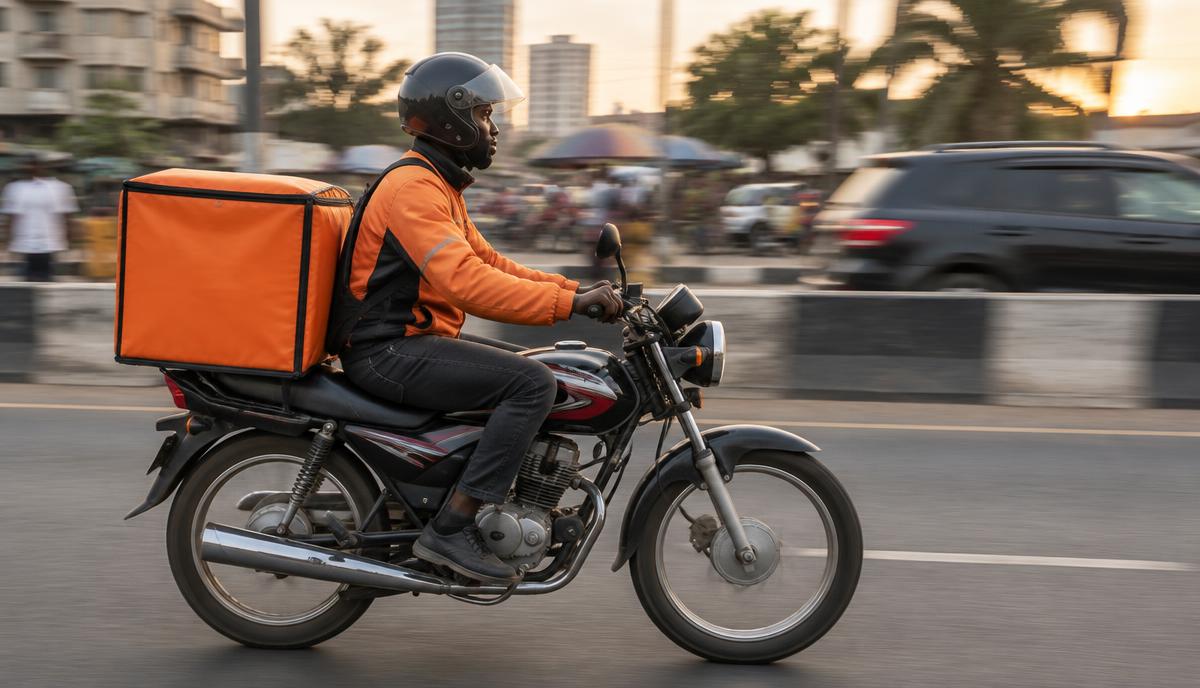
Ever wondered what dispatch riders actually take home after fuel and repairs? Here is an honest breakdown of the riding life, the money, and the hustle behind every hot delivery.
Every plate of jollof rice or pepper soup that lands warm on your doorstep in Lagos, Ibadan or Nsukka has a story behind it, and that story usually involves a young man on an okada weaving through traffic with a food bag strapped to his back. Dispatch riding has quietly become one of the most important jobs in Nigeria's growing food economy, yet very few people outside the trade understand what it really pays, what it costs, and what it demands from the men and women who do it every single day. If you have ever ordered food through ChowConnect and wondered about the person who brought it to you, this article pulls back the curtain.
A Typical Day on the Road
Most dispatch riders start early, often before 7am, especially those working around university campuses where breakfast orders for akara, bread and eggs come in fast. A rider's day is built around clusters of activity: the breakfast rush, a quieter mid-morning stretch, the lunch surge around midday when offices and hostels order in bulk, and then the evening peak when everybody wants suya, amala or a quick bowl of noodles after a long day.
Between these peaks, riders typically:
- Check their phone constantly for new delivery requests
- Fill up fuel in small amounts to manage cash flow
- Wait outside restaurants for orders to be packed
- Navigate traffic, potholes and sometimes flooded roads
- Communicate with customers who are not always at the address they gave
A rider who takes this seriously can complete anywhere from eight to twenty deliveries a day depending on the city, the distance between orders, and how well the restaurants manage their preparation time. In student towns like Nsukka, delivery distances are shorter, so more trips are possible. In Lagos, one delivery to Lekki from Ikeja can eat up an hour in traffic alone.
The Real Naira Maths
This is where many people get it wrong. Dispatch riding looks like easy money from the outside, but the numbers only work if a rider is disciplined.
On an average day, a rider working with food vendors and delivery apps can earn between six hundred naira and one thousand five hundred naira per delivery, depending on distance. If a rider completes twelve deliveries in a day at an average of eight hundred naira each, that is roughly nine thousand six hundred naira in gross earnings. Over a six day working week, that adds up to about fifty seven thousand naira, and over a month, somewhere close to two hundred and thirty thousand naira before any expenses are removed.
But gross earnings are not take home pay. A rider must subtract:
- Fuel, which can cost anywhere from two thousand to four thousand naira a day depending on how much riding is done and current pump prices
- Basic maintenance such as chain lubrication, brake pads and tyre wear
- Phone data to stay connected to delivery apps and customers
- Occasional bike servicing, which can cost ten to twenty thousand naira every few weeks
Once fuel and running costs are removed, many riders are left with something closer to one hundred and forty to one hundred and seventy thousand naira a month, which is still a respectable income in many parts of the country, but far from the untouched windfall people imagine.
Fuel and Maintenance Reality
Fuel is the single biggest threat to a rider's profit margin. Prices fluctuate, and a bad week at the pump can wipe out a chunk of earnings that would otherwise have gone into savings. Smart riders track their fuel consumption per delivery and try to group orders that are close together rather than crisscrossing town for single low value trips.
Maintenance is the other silent cost. A worn chain, a weak battery or bad brake pads do not just cost money to fix, they slow a rider down and can turn a fifteen minute delivery into a forty minute one. Riders who invest in regular servicing, even when it feels like an unnecessary expense in a tight week, tend to last longer in the job and avoid the bigger repair bills that come from ignoring small problems.
Many experienced riders set aside a fixed percentage of daily earnings, sometimes as little as ten percent, purely for maintenance. It feels painful in the moment but saves them from being stranded with a broken bike on a day full of orders.
Safety First, Always
Nigerian roads are not always kind to riders. Potholes, aggressive drivers, poor street lighting at night and the occasional area boy demanding unofficial tolls are all part of the job. Safety has to be a daily habit, not an afterthought.
Sensible practices include:
- Wearing a proper helmet, not just carrying one for show
- Avoiding known accident-prone junctions during peak traffic
- Keeping food deliveries secured so a sudden stop does not spill the order
- Carrying a small torch or using a phone light when delivering to poorly lit compounds at night
- Knowing which areas to avoid after dark, especially unfamiliar estates
A good rider also protects their reputation as carefully as their body. Customers remember riders who handle food with care and arrive with a smile, and word travels fast among restaurants about who is reliable and who is careless.
Choosing the Right Delivery Areas
Not all delivery zones are equal. Riders who understand their city can multiply their earnings simply by being strategic about where they position themselves.
Areas close to universities, office clusters and busy markets tend to generate more frequent, shorter trips, which is often more profitable than a handful of long distance deliveries. A rider based near a campus in Nsukka or Ibadan can comfortably serve several hostels within a ten minute radius, completing far more orders per hour than someone waiting for widely scattered requests across a sprawling city.
Riders also learn to read the clock. Lunchtime near office parks, evening time near hostels, and weekend afternoons near event centres all present different opportunities. The riders who do well are the ones who move to where the orders naturally cluster rather than waiting passively in one spot all day.
Negotiating Delivery Fees Fairly
Delivery fees are not always fixed, and riders who understand how to communicate distance, traffic conditions and time of day tend to earn more consistently. A short daytime delivery on a clear road should cost less than a long trip during evening traffic, and most reasonable vendors and customers understand this.
The key is transparency. Riders who explain clearly why a fee is what it is, rather than simply demanding more money, build trust with both restaurants and customers. Over time, this reputation for fairness means vendors call on the same reliable riders again and again, which creates a steadier income than constantly chasing new one-off jobs.
Working With Restaurants on ChowConnect
This is where platforms like ChowConnect genuinely change the game for riders. Instead of loitering outside individual restaurants hoping for scraps of work, riders connected to vendors on ChowConnect get a steady stream of orders from multiple food businesses in one area, all coordinated through the app.
This matters for a few reasons:
- Orders are pre-confirmed and paid for through Paystack before the rider even picks up the food, reducing the risk of a wasted trip
- Vendors on the platform are used to preparing food promptly, which cuts down the waiting time riders often lose standing around kitchens
- Delivery addresses are clearer, reducing the frustrating back and forth of trying to locate a customer
- Riders build a track record within the platform, which can lead to more consistent bookings from the same set of trusted vendors
For a rider trying to build a sustainable income rather than just scraping by day to day, this kind of structure is invaluable. It turns dispatch riding from a purely hustle-based gig into something closer to a proper trade, with patterns, relationships and a bit of predictability.
The Human Side of the Job
Beyond the naira and the fuel receipts, there is a human story to dispatch riding that deserves attention. Many riders are supporting families, saving toward starting their own small businesses, or funding their own education on the side. The job demands patience, physical endurance and a thick skin for the occasional rude customer or unreasonable wait time at a restaurant.
Yet there is also real satisfaction in it. Riders who have been in the trade for years often describe a quiet pride in knowing every shortcut in their city, in the regular customers who greet them by name, and in the simple fact that they are the final link between a hungry customer and a good meal.
Conclusion
Dispatch riding is not the easy money it sometimes looks like from the outside, but it is honest, demanding work that keeps the entire food delivery ecosystem moving. With the right discipline around fuel, maintenance and safety, and the right platform behind them, riders can turn two wheels into a genuinely sustainable livelihood. If you run a food business and want reliable riders and steady orders, or if you simply want your next meal delivered by someone who takes the job seriously, browse the vendors on ChowConnect and see the difference a well organised delivery network makes.