
A Beginner's Guide to Nigerian Jollof Rice
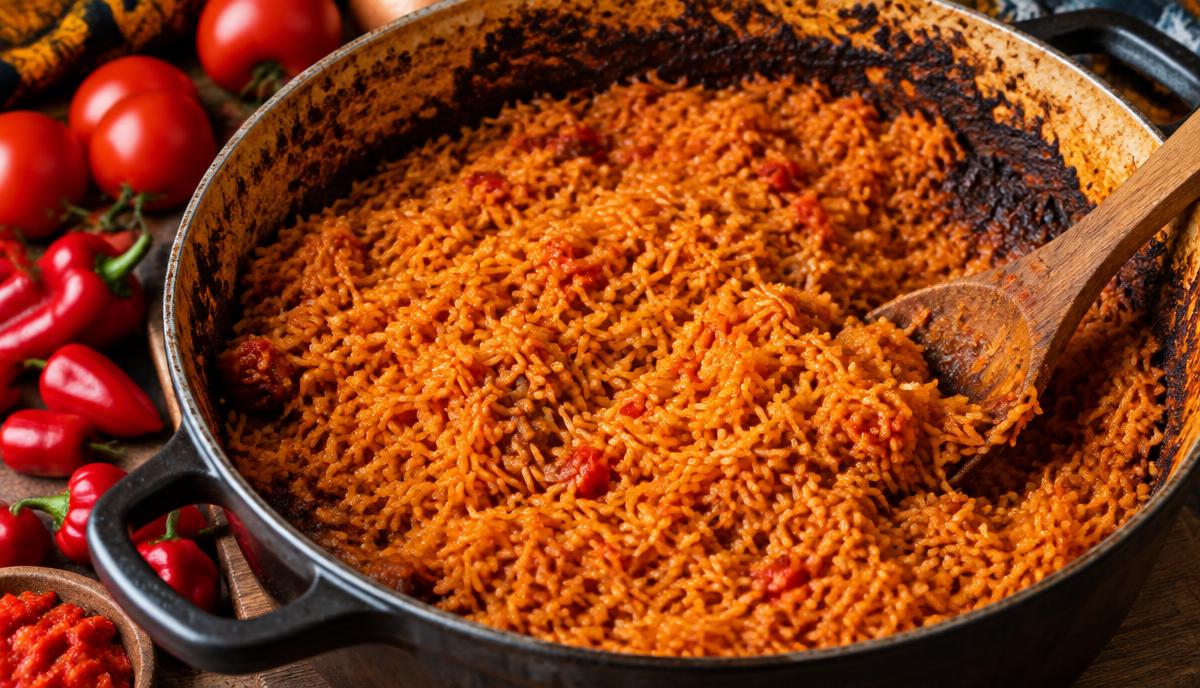
Jollof rice is more than a dish in Nigeria, it is a source of pride and debate. This beginner's guide breaks down its history, styles and how to get it right.
Ask any Nigerian what dish best represents the country's food culture and jollof rice will almost certainly come up first. It sits at the centre of weddings, birthdays, Sunday lunches, owambe parties and even casual weekday meals. Yet behind its bright orange-red colour and smoky aroma lies a rich history, regional rivalries, and a few tricks that separate an average pot from an unforgettable one. Whether you grew up eating it or you are just discovering Nigerian food through ChowConnect, this guide will walk you through everything a beginner needs to know about jollof rice.
Where Jollof Rice Comes From
Jollof rice traces its roots to the Senegambia region of West Africa, believed to have originated among the Wolof people, whose name is thought to have inspired the word "jollof" itself. From there, the dish spread across West Africa through trade routes and migration, evolving differently in each country it touched. Nigeria, Ghana, Senegal, Sierra Leone, Liberia and other West African nations all have their own version today, each shaped by local ingredients, cooking methods and taste preferences. In Nigeria, jollof rice absorbed influences from Yoruba, Hausa and Igbo cooking traditions, eventually becoming what many now consider the national dish, even though it has no single official origin story confined to Nigeria alone.
The Famous Jollof Wars
No conversation about jollof rice is complete without mentioning the good-natured but fierce rivalry between Nigeria and Ghana, often called the "Jollof Wars." Both countries claim to make the best jollof rice, and the debate spills into social media, comedy skits and even diplomatic banter at official events. Ghanaian jollof tends to use fragrant rice varieties and sometimes a milder spice profile, while Nigerian jollof is generally bolder, spicier and smokier. There is no official winner, and most Nigerians will tell you the argument was settled long ago in their favour, but the friendly competition has done wonders for popularising West African jollof rice around the world.
Regional Styles Within Nigeria
Even within Nigeria, jollof rice is not one uniform dish. Different regions and communities season and prepare it slightly differently.
- Lagos party jollof leans heavily on a deep tomato and pepper base with a strong smoky finish, often cooked in large pots over firewood at events.
- Yoruba jollof from the South West typically pairs the rice with fried plantain, coleslaw and grilled chicken or turkey, and is known for its rich red colour.
- Northern-style jollof, sometimes cooked with a bit less tomato paste and more emphasis on spice blends, tends to have a slightly drier, well-separated grain texture.
- Igbo and South Eastern versions often incorporate more pepper and sometimes a touch of curry and thyme for a distinct aroma.
- Ofada-style adaptations swap regular long grain rice for local Nigerian rice, giving a slightly nuttier taste and firmer bite.
Each version has its loyal fans, and trying a few different styles is one of the best ways to appreciate how varied Nigerian cooking can be even within a single dish.
What Makes Party Jollof Special
If you have ever attended a Nigerian wedding or owambe, you have probably heard someone specifically ask for "party jollof" as opposed to the jollof made at home. Party jollof gets its distinctive smoky flavour, often called the smoky or burnt taste, from being cooked in large pots over an open wood fire. As the bottom layer of rice slightly chars against the hot pot, it releases a smoky essence that mixes back into the rice when stirred. This flavour, sometimes called "the smoky effect" in Nigerian food conversations, is notoriously difficult to replicate on a home gas cooker, which is part of why party jollof commands such respect. Some home cooks try to mimic it by briefly placing a pot directly on an open flame or using a small piece of foil or charcoal wrapped separately near the pot, though results vary and should be done carefully.
Core Ingredients You Need
A proper pot of Nigerian jollof rice generally requires a handful of key ingredients, though exact quantities and additions vary by household and region.
- Long grain parboiled rice, well washed to remove excess starch
- Fresh tomatoes and red bell peppers blended into a base
- Scotch bonnet peppers (ata rodo) for heat, adjusted to taste
- Onions, both blended into the base and sliced for frying
- Tomato paste for colour and depth
- Vegetable oil, often with a portion used to fry the pepper base first
- Stock from chicken, beef or turkey for flavour
- Seasoning cubes, curry powder, thyme and bay leaves
- Salt to taste
The pepper and tomato mixture is usually fried down first to remove the raw taste and concentrate the flavour before the rice and stock are added. This step, sometimes skipped by beginners in a hurry, makes a significant difference to the final taste.
Common Mistakes Beginners Make
Cooking a good pot of jollof rice takes practice, and even experienced cooks occasionally get it wrong. Here are mistakes to watch out for.
- Adding too much water too early, which leaves the rice soggy instead of well separated
- Skipping the step of frying the tomato and pepper base properly, resulting in a raw, sour taste
- Using the wrong rice variety, since some rice types absorb too much water or break apart during cooking
- Underseasoning the stock, which leaves the rice tasting flat no matter how good the pepper base is
- Stirring too frequently while the rice cooks, which can make the grains mushy instead of firm
- Rushing the simmering process, since jollof rice generally needs slow, steady heat to fully absorb the flavours
- Forgetting to taste and adjust the pepper base before adding the rice, since it is much harder to fix seasoning once the rice is in
Patience is often the real secret ingredient. Good jollof rice usually cannot be rushed, and pots that steam slowly on low heat tend to turn out better than those cooked quickly on high heat.
Pairing Jollof Rice the Right Way
Jollof rice is versatile enough to pair with a wide range of proteins and sides. Fried chicken, grilled turkey, beef suya, fried fish and even boiled eggs all work well alongside it. On the side, fried plantain (dodo) is the classic companion, adding a sweet contrast to the spicy rice. Coleslaw or a simple vegetable salad also helps balance the richness of a well-oiled pot. For special occasions, moi moi is sometimes added as an extra side, giving the plate more texture and protein variety.
Why Jollof Rice Matters Beyond the Plate
Jollof rice is not just food in Nigeria, it is a marker of celebration and identity. It shows up at nearly every major life event, from naming ceremonies to funerals to graduation parties. Learning to cook a good pot, or knowing a vendor who does, is almost considered a life skill. For students far from home, a good plate of jollof rice can feel like a small taste of family and familiarity, especially during exam season or after a long week of lectures.
Where to Find Good Jollof Rice on ChowConnect
If cooking your own pot feels like too much work right now, or you simply want to compare styles without the stress of shopping and cooking, ChowConnect connects you with vendors near your campus or neighbourhood who specialise in different jollof styles. You can browse vendor profiles, check reviews from other customers, and see whether a vendor leans towards the smoky party style, a milder home style, or a spicier regional variation. Ordering is simple: pick your vendor, choose your protein pairing, confirm your delivery address, and pay securely through Paystack. A dispatch rider handles the rest, bringing a hot plate of jollof rice straight to your door or hostel.
Final Thoughts
Nigerian jollof rice carries centuries of history, regional pride and everyday comfort in a single pot. Whether you prefer the smoky intensity of party jollof, the fragrant balance of a home-style pot, or a spicier northern take, there is a version out there for every palate. As a beginner, the best way to understand jollof rice is simply to keep tasting it from different vendors and regions until you find the style that feels like your favourite. Open ChowConnect today, explore the jollof rice options near you, and discover why this dish continues to bring Nigerians together one plate at a time.
Serving Jollof the Way Nigerians Actually Eat It
A plate of jollof rarely travels alone. Fried plantain is the most common companion, and the sweetness of a ripe dodo against the pepper of the rice is part of the reason the pairing has lasted so long. Moin moin, coleslaw, a boiled egg, grilled chicken, beef, fried fish or a simple side of steamed vegetables all belong on the plate depending on the occasion and the budget.
At parties the rice is usually served in generous scoops with a mix of proteins, while a weekday lunch might be a single pack with one piece of chicken. Both are correct. What matters is that the rice itself carries flavour all the way through, so the sides are a bonus rather than a rescue.
If you are ordering jollof rather than cooking it, read the vendor's description carefully. Vendors who mention smoky party-style rice, firm grains or a specific pepper mix are usually proud of their pot, and that pride is the best signal you will get before your first bite.