How to Start a Small Food Business in Nigeria
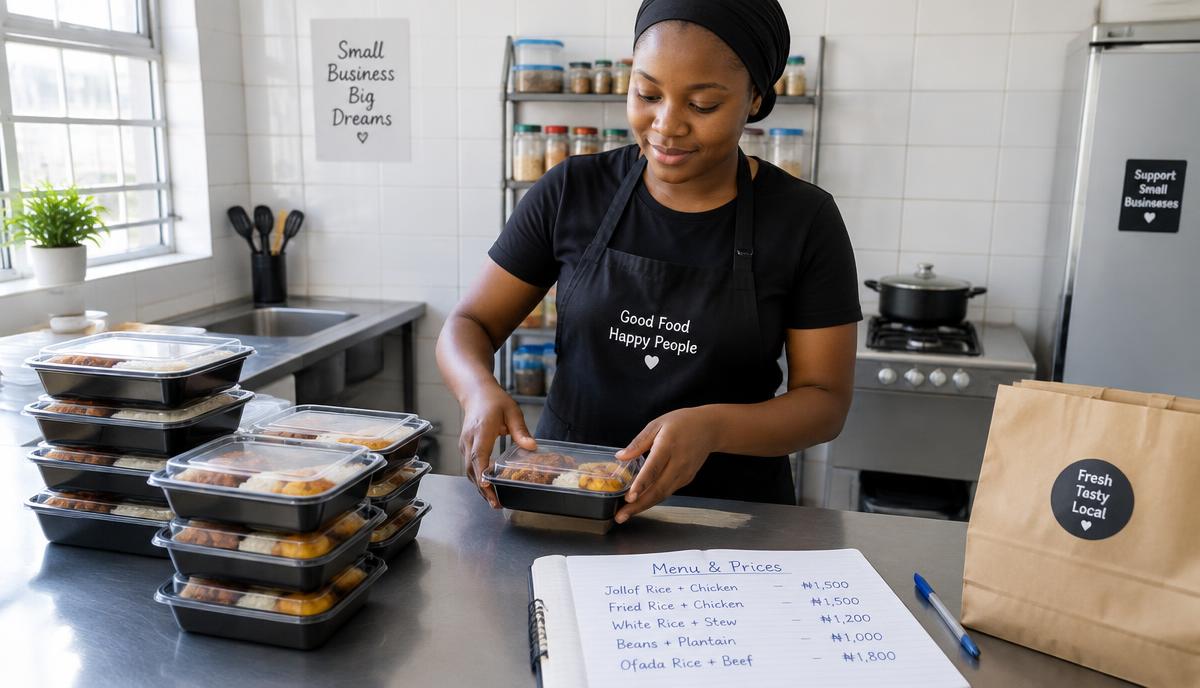
Starting a food business in Nigeria takes more than good cooking, it takes planning, pricing sense, and a way to reach customers. This guide walks you through the whole journey, from your first pot to your first online order.
Every big food brand in Nigeria, from the bukka down your street to the caterer who now supplies events across Lagos, started with one person, one pot, and a plan. If you can cook well and you are thinking of turning that skill into money, you are sitting on something valuable. Nigerians eat out often, whether it is a plate of jollof rice for lunch, suya on the way home, or a full aso ebi party spread. The demand is there. What often stops people is not the cooking, it is the business side: how much to charge, how to package, where to find customers, and how to grow without losing money. This guide breaks down the practical steps to start small, stay profitable, and eventually take your food business online with a platform like ChowConnect.
Start With a Clear Costing Sheet
Before you fry the first plantain for sale, you need to know your numbers. Many food businesses in Nigeria fail quietly because the owner never sat down to calculate true cost per plate.
- List every ingredient for one recipe and its cost, down to the seasoning cubes and pepper.
- Add cooking gas or kerosene cost, divided across the number of plates you cook.
- Include packaging cost, such as takeaway packs or nylon bags.
- Add transport for buying ingredients, especially if you go to Mile 12 or a local market.
- Set aside a small amount for wastage, since tomatoes and pepper do spoil.
Once you have a true cost per plate, you can set a price that covers your effort and still leaves profit. A common mistake is pricing based only on what neighbours charge, without checking if your own costs even allow that price. If a plate of rice and stew costs you 550 naira to produce, selling at 600 naira leaves almost nothing for your time and rent.
Set Up a Kitchen That Works for Your Budget
You do not need a fancy commercial kitchen to start. Many successful food vendors in Nigeria began cooking from home kitchens or a small rented space in the backyard.
- If cooking from home, dedicate a corner strictly for the business, away from household cooking, to keep things organised.
- Invest in a few solid pots that can handle bulk cooking, rather than many small ones.
- A functioning gas cooker saves time and money compared to firewood or charcoal for regular production, though some soups genuinely taste better on firewood.
- Get a cooler or food warmer if you plan to deliver or sell at a location away from your kitchen.
- Basic hygiene tools matter: hand gloves, a clean apron, and a proper handwashing setup near your cooking area.
As you grow, you can upgrade to a bigger freezer, a standing gas burner, or even a small shop space. Start with what your current customer number actually needs, not what you imagine you might need in a year.
Price Your Food to Survive and Grow
Pricing is where many Nigerian food vendors struggle, especially with rising costs of tomatoes, rice, and cooking gas. A workable approach is cost plus a fair margin, adjusted for what your market can bear.
- Calculate your cost per plate as described earlier.
- Add a margin of 30 to 50 percent depending on your target customers and location.
- Check what similar vendors near you charge, but do not copy blindly if your quality or portion is different.
- Review prices every few weeks, since ingredient costs in Nigeria change often.
- Consider slightly higher prices for delivery orders to cover dispatch rider fees, rather than absorbing that cost yourself.
Students in places like Nsukka or Ibadan are price sensitive, so a student-focused menu might need smaller, affordable portions. Office workers in Lagos may pay more for convenience and consistency. Know your customer before you fix your price.
Handle Registration and Basic Compliance
You do not need to register with the Corporate Affairs Commission on day one, but as your food business grows, formalising it protects you and opens doors.
- Registering a business name with the Corporate Affairs Commission gives your brand legal recognition and makes it easier to open a business bank account.
- Check with your local government for any food vendor permit requirements, especially if you sell from a fixed location or stall.
- If you plan to package and sell processed food like zobo, chin chin, or spices under a brand name, NAFDAC registration becomes important for credibility and to sell in shops.
- Keep basic records of your sales and expenses from the start, even in a simple notebook, since this helps when you eventually need loans or want to track profit properly.
Compliance may feel like extra work when you are small, but it saves stress later and makes your business easier to trust, especially for customers ordering online who cannot see your kitchen physically.
Package Your Food to Match Your Brand
Packaging affects how customers perceive your food, sometimes even before they taste it. In a market as competitive as Nigerian food vending, presentation can be the difference between a repeat customer and a one time buyer.
- Choose sturdy takeaway packs that do not leak stew or soup during delivery.
- Use clear, food grade nylon for items like small chops or puff puff so customers can see the product.
- A simple sticker with your business name and phone number on packs works as free advertising.
- For soups and swallow, separate the swallow from the soup in different compartments to avoid a soggy mess.
- Keep packaging costs realistic for your price point, since expensive packaging for a low margin product eats your profit.
Good packaging also protects your food during dispatch rider transport, which matters a lot once you start taking delivery orders through phone calls or an app.
Get Your First Customers the Practical Way
Before any online presence, most Nigerian food vendors build their first loyal customers offline, through word of mouth and visibility.
- Start with people around you, including neighbours, colleagues, classmates, or church and mosque members.
- Offer a taste or a small discount to your first ten customers in exchange for honest feedback and word of mouth referrals.
- Create a simple WhatsApp status routine, posting your daily menu with prices every morning.
- Join local WhatsApp groups for your street, office, or campus hostel where food orders are commonly shared.
- Be consistent with your cooking days and times, since customers plan around vendors they can rely on.
Consistency builds trust faster than any advertisement. If customers know you sell jollof rice every Wednesday and Friday without fail, they build it into their routine.
Take Your Food Business Online With ChowConnect
Once you have your pricing sorted, your kitchen running smoothly, and a small base of loyal customers, going online is the natural next step to reach more people, especially students and busy professionals who search for food vendors near them.
- ChowConnect lets vendors list their menu with clear photos and prices, so customers browsing on campus or around Lagos and Ibadan can find you easily.
- Online listing means customers can discover you even if they have never heard of you through word of mouth, expanding your reach beyond your immediate neighbourhood.
- Accepting payments through Paystack integration on platforms like ChowConnect reduces the stress of cash handling and reduces disputes over change.
- Working with dispatch riders connected through the platform means you do not need to personally manage delivery logistics.
- Customer reviews on your ChowConnect profile build trust for new customers who have never tasted your food before.
Going online does not replace your offline hustle, it multiplies it. Your WhatsApp customers, your street customers, and your online customers can all order the same food, cooked the same way, just through more channels.
Manage Growth Without Losing Quality
A common trap for growing food businesses in Nigeria is taking on more orders than the kitchen can handle, which leads to late deliveries and inconsistent taste. Growth should be managed deliberately.
- Only take on as many orders as you can comfortably prepare fresh within your promised time.
- Hire help gradually, starting with someone for prep work like chopping and washing before hiring for cooking itself.
- Keep your recipe consistent even as you scale, since customers notice when taste changes.
- Reinvest a portion of profit into better equipment rather than spending it all immediately.
- Track which menu items sell best and consider trimming items that rarely sell to reduce waste and complexity.
Scaling too fast without systems in place often damages a food brand's reputation faster than growing slowly with consistent quality.
Final Thoughts on Building Your Food Business
Starting a small food business in Nigeria is genuinely achievable with careful costing, a functional kitchen setup, smart pricing, and steady customer building. The vendors who succeed long term are usually not the ones with the fanciest setup, but the ones who stayed consistent, priced fairly, and kept improving their process. Once your foundation is solid, moving online is the step that lets you turn a neighbourhood favourite into a business known across your city or campus.
If you are ready to put your menu in front of more hungry customers, browse how other vendors are showcasing their food on ChowConnect, and consider signing up to list your own kitchen. Your next loyal customer might just be searching for exactly what you cook, right now, on their phone.